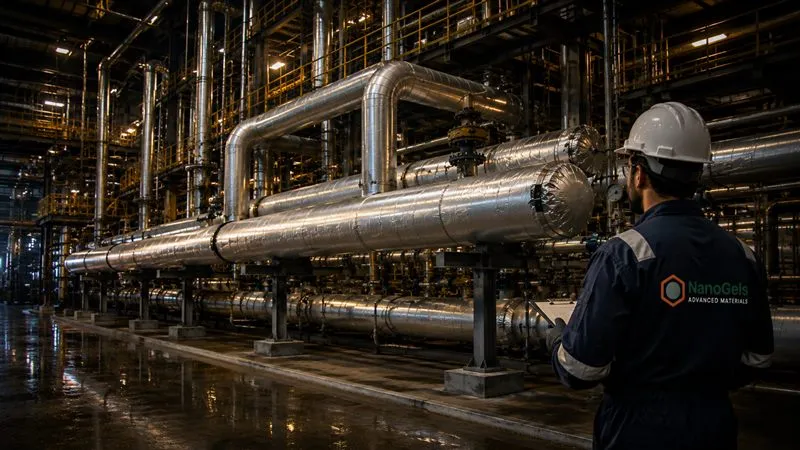
Corrosion under insulation (CUI) is the corrosion of piping and equipment that happens out of sight, beneath the insulation and its cladding. Because nothing shows on the outside until the damage is advanced, it is one of the hardest integrity threats to manage in refineries, petrochemical plants and offshore facilities, and one of the most expensive to put right.
How CUI starts
CUI needs three things: steel, water and oxygen. Insulation does not cause corrosion by itself. The problem begins when water gets past the cladding and conventional insulation holds it against the metal surface for weeks or months.
- Water ingress: rain, deluge system tests and wash-down water entering at cladding joints, supports and terminations.
- Condensation: moisture forming on lines that run cold or cycle between hot and cold.
- Trapped moisture: insulation that gets wet and never dries because the jacket keeps the water in.
- Concentrated contaminants: chlorides and other salts that build up each time the water evaporates and returns.
Carbon steel is most at risk at operating temperatures of roughly -12°C to 175°C, the range that API RP 583 identifies as the most severe for CUI. Lines that cycle through this range, or run only intermittently, deserve the closest attention.
Why conventional insulation can make it worse
Fibrous and open-cell materials such as mineral wool and calcium silicate can absorb water and hold it. Once wet, they lose thermal performance, add weight to the line and keep the steel surface damp. The cladding that was meant to keep water out now keeps it in, and the protective coating underneath becomes the last line of defence.
How hydrophobic aerogel breaks the cycle
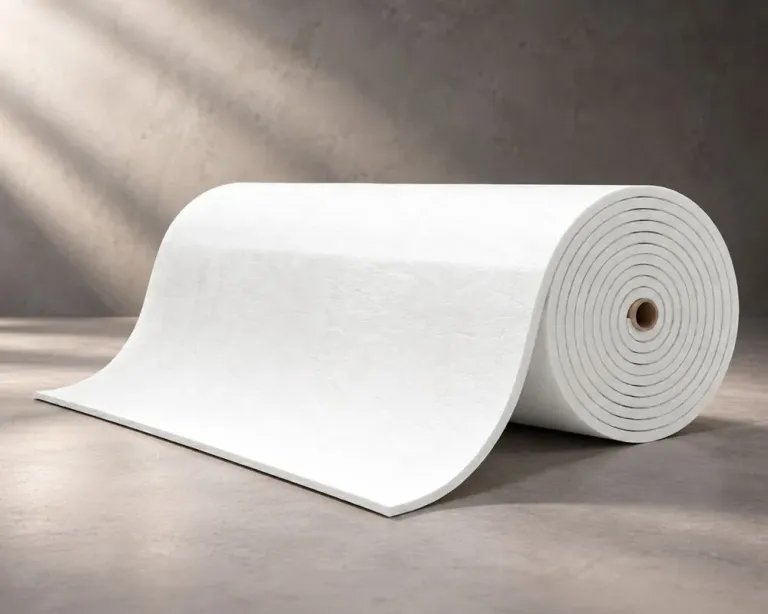
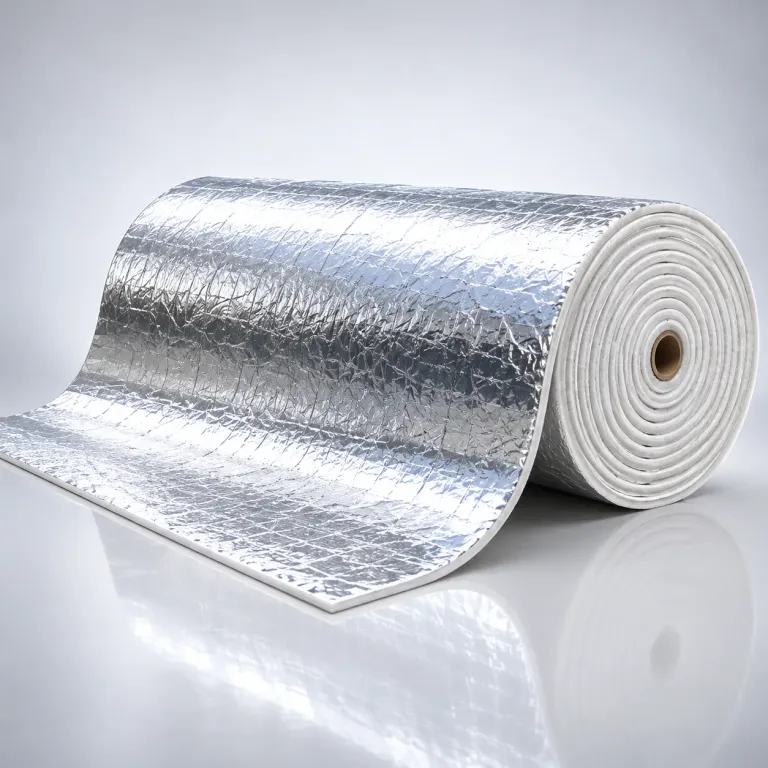
NanoGels aerogel blankets deal with the problem in the insulation layer itself:
- Hydrophobic through the full thickness. Liquid water is repelled rather than absorbed, so it cannot wick toward the pipe.
- Vapour permeable. The blanket breathes, so moisture that does reach the surface can escape as vapour instead of staying trapped.
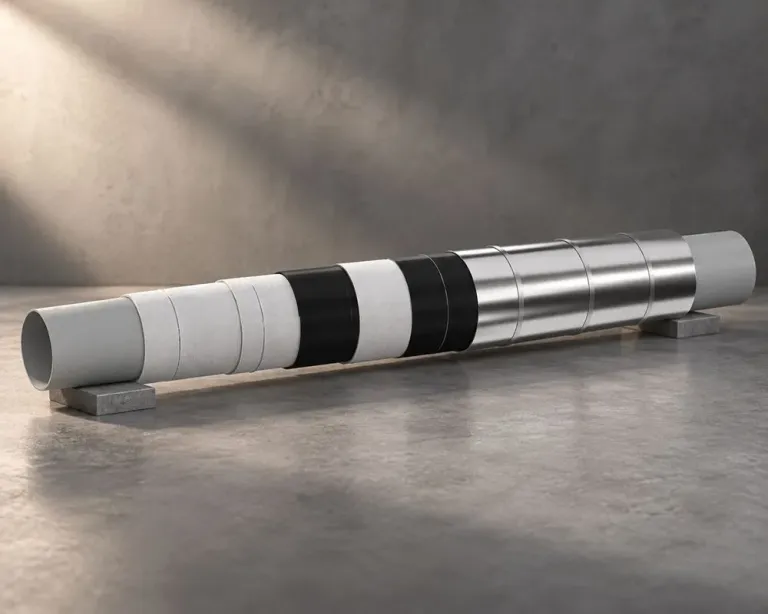
- Thin and close fitting. The same thermal resistance at a fraction of the thickness gives a slimmer build-up that is easier to seal and to inspect.
- Stable in service. The blanket does not slump or compact over time, so gaps do not open up along the top of the pipe.
A dry steel surface is the most effective defence against CUI. Aerogel insulation does not replace a sound coating system or good cladding details, but it removes the reservoir of water that drives the corrosion.
Where to look first
When prioritising lines for inspection or upgrade, start with:
- Lines operating or cycling in the -12°C to 175°C band
- Dead legs, low points and pipe supports where water collects
- Areas exposed to sea spray, cooling tower drift or regular deluge testing
- Insulation that is visibly damaged, sagging or stained
Planning a CUI mitigation programme
For hot service up to +650°C, NanoSolar™ combines this moisture behaviour with a Class A1 non-combustible fire rating. See how it is applied on our CUI mitigation page, or talk to our technical team about the lines you are most concerned about.
Have a project in mind?
Our technical team answers specification and sizing queries within one business day.